
Should You Repair or Replace Your Driveway?
Driveway repairs are often the first option homeowners consider when their driveway starts to show signs of wear. Cracks, sinking areas and loose surfaces can usually be corrected without replacing the entire driveway, but in some cases a full replacement may be the better long term solution.
Understanding whether your driveway needs repairs or a complete rebuild can help you avoid unnecessary costs and ensure the surface remains safe, level and durable.
Signs Your Driveway May Only Need Repairs
In many cases, damage to a driveway is limited to specific areas and can be corrected without replacing the entire surface. If the base is still stable, repairs can restore both the appearance and performance of the driveway.
• Small areas of sinking or uneven paving
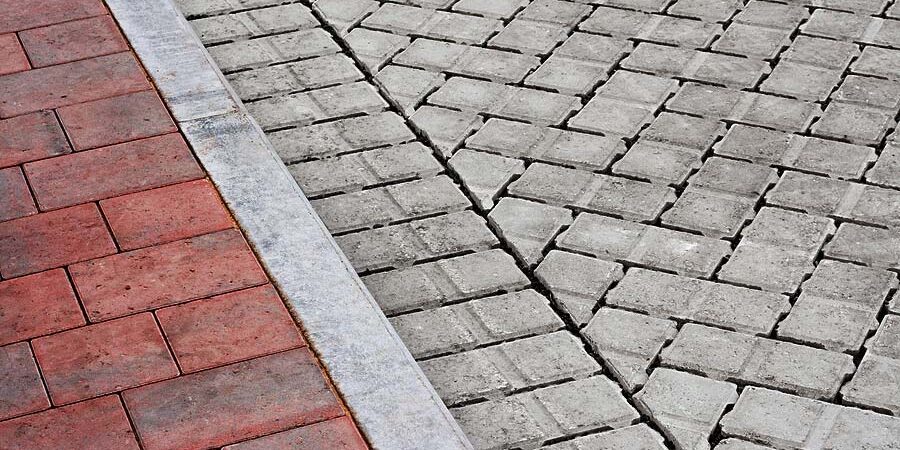
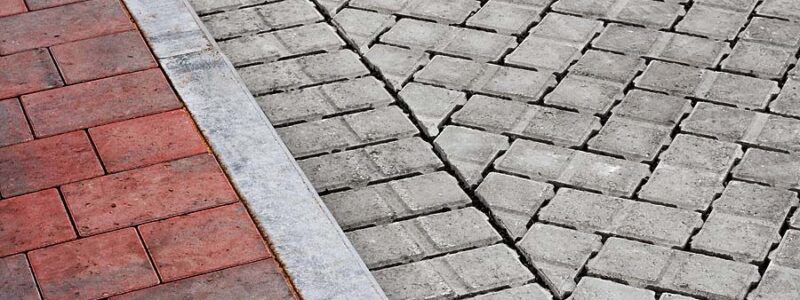
• Loose or rocking blocks in block paving
• Minor cracks in tarmac or concrete
• Weed growth between joints
• Localised drainage issues or small puddles
These problems are often caused by wear over time, minor ground movement or isolated issues in the surface layer. Repairing these areas usually involves lifting and relaying sections, correcting the base beneath and restoring the surface so it blends with the rest of the driveway.
When handled properly, these repairs can extend the life of the driveway for several more years without the need for a full replacement.
When a Full Driveway Replacement Is the Better Option
There are situations where repairs are no longer the most effective solution. If the underlying structure has failed or the issues are widespread, replacing the driveway is often the only way to achieve a reliable long term result.
• Large areas of sinking across the driveway
• Repeated movement after previous repairs
• Poor drainage affecting the entire surface
• Extensive cracking or surface breakdown
• Driveways that were not installed on a proper sub base
In these cases, repairing individual areas will only provide a temporary fix. A full replacement allows the entire surface to be removed and rebuilt with proper foundations, ensuring the new driveway remains stable and performs as expected.
The Role of Groundwork and Installation
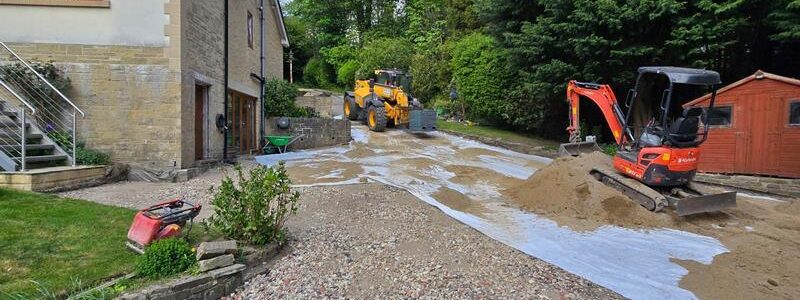
One of the main reasons driveways fail is poor groundwork. Even high quality materials will not perform properly if the sub base has not been installed correctly.
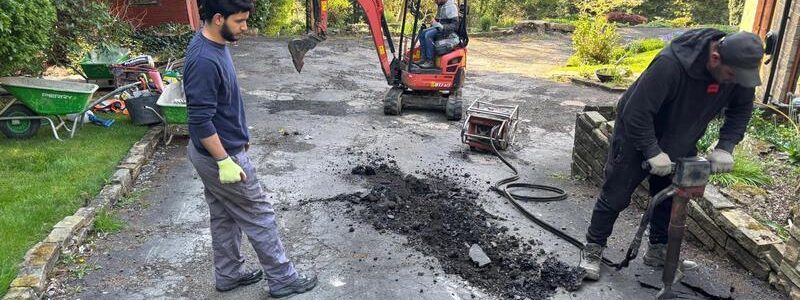
A professionally installed driveway should include full excavation, a compacted sub base and proper drainage. These elements are what prevent sinking, cracking and movement over time.
If the original installation did not include these steps, repairs may only delay the problem rather than solve it. In these cases, a full replacement is usually the better investment.
Cost Considerations
Repairs are typically more affordable in the short term, especially when the issue is limited to a small section of the driveway. They can provide a quick and effective solution when the structure beneath is still sound.
However, if problems continue to appear or spread, repeated repairs can become more expensive over time. A full replacement involves a higher initial cost but provides a completely new surface with improved durability and a longer lifespan.
Balancing short term savings with long term value is key when deciding between repair and replacement.
Making the Right Decision
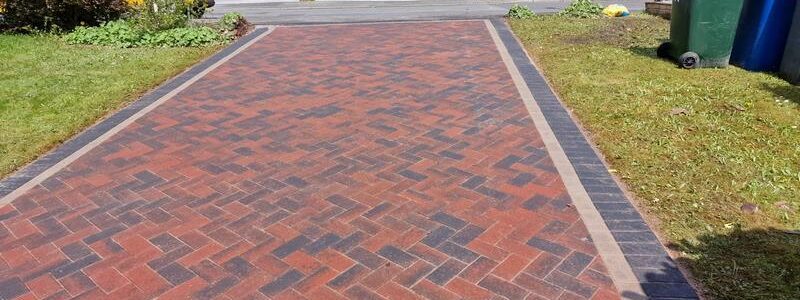
The decision ultimately comes down to the condition of the driveway and how you plan to use it in the future. A well carried out repair can restore functionality and extend the lifespan of a driveway, while a full replacement provides a fresh start with improved performance and appearance.
If you are unsure which option is right for your property, a professional assessment can identify the root cause of the issue and help you avoid unnecessary work.
Meadow Drives provides honest advice and practical solutions based on the condition of your driveway. If you are considering repairs or a full replacement, get in touch to arrange a site visit and receive a free no obligation quote.