
Block paving is one of the most popular driveway surfaces because it is attractive, durable and available in a huge range of colours and styles.
Like any outdoor surface, however, it is constantly exposed to rain, vehicle traffic, dirt, moss, weeds and changing temperatures.
One option homeowners often consider is applying a driveway sealer.
But is sealing block paving actually worth doing?
The answer depends on the age and condition of your driveway, what you want to achieve and, importantly, whether the paving is prepared correctly before the sealer is applied.
What Does Block Paving Sealer Do?
Driveway sealer is applied to the surface of block paving once it has been thoroughly cleaned and prepared.
Depending on the product used, sealing can help protect the paving and make routine maintenance easier.
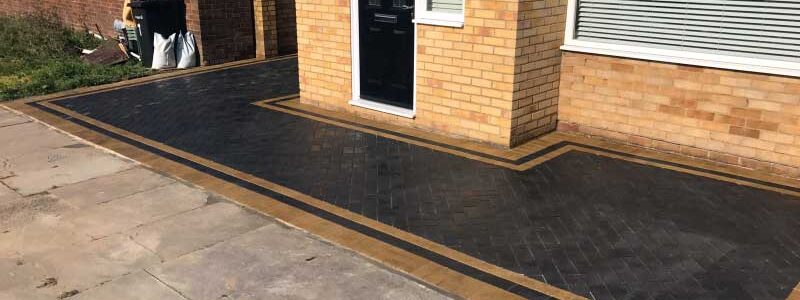
Some sealers also change the appearance of the blocks slightly, creating anything from a subtle enhanced colour to a more noticeable wet-look finish.
The aim should not simply be to make the driveway shiny. A properly chosen and applied sealer should form part of maintaining and protecting the paving.
What Are the Benefits of Sealing Block Paving?
There are several reasons homeowners choose to seal their driveway.
It Can Help Protect Against Staining
Driveways are exposed to oil, dirt, mud, tyre marks and other contaminants.
A suitable sealer can make the surface less absorbent, helping reduce the chance of certain substances penetrating deeply into the blocks.
This does not mean a sealed driveway becomes stain-proof, and spillages should still be cleaned as soon as possible.
However, sealing can make routine cleaning easier.
It Can Improve the Appearance
Older paving can begin to look dull after years of exposure to the weather.
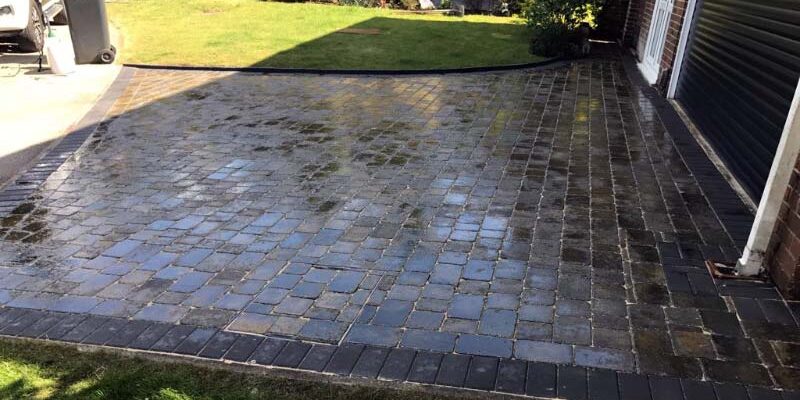
Cleaning followed by sealing can refresh the appearance of the blocks and make their original colour more noticeable.
Different products provide different finishes, so homeowners can choose between a relatively natural appearance and a stronger colour-enhancing effect.
It Can Help Stabilise Jointing Sand
Block paving relies on kiln-dried jointing sand between the individual blocks.
Over time, rain, cleaning and everyday traffic can remove some of this material.
Certain sealing systems help stabilise the sand within the joints, reducing how quickly it is washed or displaced.
Keeping joints properly filled is important because the sand forms part of the overall block paving system.
It May Make Routine Maintenance Easier
A clean, correctly sealed surface can generally be easier to keep tidy.
Dirt and organic growth may be easier to remove before they become heavily established.
That can be particularly useful in damp or shaded areas where moss and algae tend to develop more quickly.
Will Sealing Stop Weeds?
This is one of the most common misconceptions about driveway sealing.
Sealing may help reduce some weed growth by stabilising jointing sand and making it more difficult for seeds to establish within the joints.
However, it cannot guarantee a completely weed-free driveway.
Many weeds found in block paving begin when airborne seeds settle into dirt and organic matter that has collected in the joints.
Regular sweeping and maintenance therefore remain important even after sealing.
If weeds are already growing heavily through a driveway, they should be dealt with as part of the cleaning and preparation process rather than simply covered with sealer.
Can You Seal Old Block Paving?
Potentially, yes.
Older block paving does not necessarily need replacing simply because it has lost some of its original appearance.
If the driveway is structurally sound, professional cleaning, re-sanding and sealing may significantly improve it.
However, sealing should not be used to hide structural problems.
If sections of the driveway are sinking, moving or spreading, those issues should be investigated first.
Likewise, drainage problems should be addressed before a final sealer is applied.
Sealer protects a suitable surface; it does not repair a failing driveway underneath.
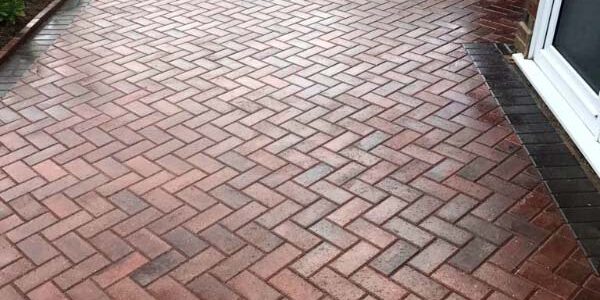
Why Preparation Matters
Preparation is arguably the most important part of driveway sealing.
Applying sealer over dirty paving, weeds, algae or loose jointing material is unlikely to produce a good result.
A typical preparation process may include:
- Inspecting the paving for movement or damage
- Removing weeds and organic growth
- Thoroughly cleaning the blocks
- Allowing the driveway to dry properly
- Replacing missing jointing sand
- Ensuring weather conditions are suitable
- Applying the appropriate sealer evenly
The exact process depends on the driveway and the product being used.
Trying to rush the job can result in patchy areas, trapped dirt or an inconsistent finish.
Should You Pressure Wash Before Sealing?
Block paving normally needs to be thoroughly cleaned before sealing, and pressure washing can be useful for removing accumulated dirt, moss and surface growth.
However, pressure washing also removes jointing sand from between the blocks.
This sand needs to be replaced once the paving is clean and sufficiently dry.
Using excessive pressure or cleaning too aggressively can also damage surfaces, so the equipment and technique need to be appropriate for the paving.
The objective is to prepare the driveway, not simply blast it with the highest pressure available.
When Should You Not Seal Block Paving?
There are situations where sealing should be delayed.
For example, it may not be appropriate when:
- The blocks are still wet
- Rain is expected during the application or curing period
- The driveway is covered in dirt or algae
- Jointing sand is missing
- Blocks are loose or sinking
- There are unresolved drainage problems
- The paving has recently been installed and the selected system requires a waiting period
Product requirements vary, so the correct application conditions should always be followed.
Does Sealing Make Block Paving Slippery?
The answer depends on the sealer, the surface and how it has been applied.
Some finishes may alter the surface texture more than others.
If slipperiness is a concern, particularly on sloping driveways, paths or steps, this should be considered when choosing the sealing product and finish.
Applying too much product or using an unsuitable sealer can also create problems.
Professional application helps ensure the product is appropriate for the paving and its intended use.
How Often Should a Block Paved Driveway Be Sealed?
There is no universal schedule.
How often resealing is required depends on factors including:
- The sealer used
- Vehicle traffic
- Exposure to weather
- How frequently the driveway is cleaned
- The condition of the paving
- The amount of sunlight and shade
Rather than sealing automatically every year, the driveway should be inspected and treated when its condition justifies it.
Is Driveway Sealing Worth the Cost?
For a block paved driveway that is in good structural condition, sealing can be worthwhile.
It can refresh the appearance, help protect the surface from everyday staining and make maintenance easier.
The key point is that sealing works best as preventative maintenance.
It is not a substitute for repairing sunken blocks, correcting poor drainage or rebuilding an inadequate base.
If a driveway has structural issues, addressing those problems first is likely to provide better value than simply sealing the surface.
Thinking About Cleaning and Sealing Your Driveway?
If your block paving is beginning to look tired, has lost jointing sand or requires ongoing maintenance, Meadow Drives can assess the condition of the surface and advise on the most appropriate solution.
Where repairs are required, these can be identified before cleaning and sealing takes place, helping ensure the finished driveway looks better and performs as it should.
Contact Meadow Drives to discuss driveway maintenance, repairs and sealing and arrange a free quotation.