
Porcelain patios have become a popular choice for homeowners who want a modern, attractive and low-maintenance outdoor space. Available in a wide range of colours, textures and finishes, porcelain paving can complement both contemporary and traditional properties.
However, it can cost more than some other paving materials and needs to be installed correctly. So, is a porcelain patio worth the investment?
What Is Porcelain Paving?
Porcelain paving is made from refined clay and natural materials that are fired at very high temperatures. This creates a dense, strong slab with very low water absorption.
Outdoor porcelain tiles are specifically designed for exterior use. They are thicker and more durable than indoor tiles and usually have a textured surface to provide better grip in wet conditions.
The Benefits of Porcelain Patios
Stylish and Versatile
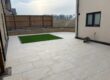
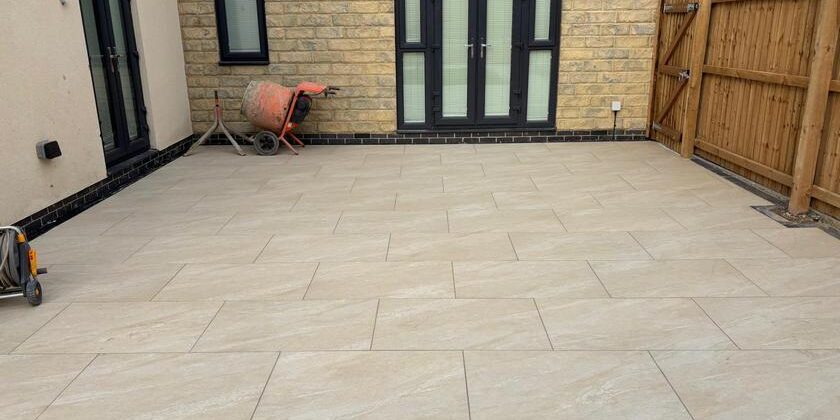
One of the biggest advantages of porcelain paving is its appearance. It provides a clean, consistent finish and is available in styles designed to resemble natural stone, slate, concrete, limestone or even timber.
This gives homeowners plenty of choice when matching a patio to the style of a property, extension or garden design.
Porcelain slabs are also manufactured to precise dimensions, allowing for narrow, even joints and a neat overall appearance.
Low Maintenance
Porcelain is a practical option for homeowners who do not want to spend a lot of time maintaining their patio.
Because the slabs absorb very little moisture, dirt and stains are less likely to penetrate the surface. Regular sweeping and occasional washing are normally enough to keep the paving looking presentable.
It is also less likely to suffer from the heavy discolouration that can affect more porous materials.
Resistant to Stains and Moisture
Food, drinks, mud and garden debris can leave marks on outdoor surfaces. The dense surface of porcelain makes it more resistant to staining than many types of natural stone.
Spillages should still be cleaned promptly, but they are generally easier to remove.
Low water absorption also makes porcelain well suited to the British climate. Very little moisture enters the slab, reducing the risk of damage caused by water freezing and expanding.
Durable and Long Lasting
When installed properly, porcelain paving is highly durable. It can withstand regular foot traffic, garden furniture and everyday family use.
It works well for patios, outdoor dining areas, paths, steps and seating spaces. Good-quality porcelain is also resistant to fading, helping the patio retain its appearance over time.
The Disadvantages of Porcelain Patios
Higher Initial Cost
Porcelain paving can be more expensive than basic concrete slabs and some natural stone options. Installation can also involve more labour and specialist equipment, increasing the overall project cost.
However, its durability and lower maintenance requirements may make it a worthwhile long-term investment.
Professional Installation Is Essential
Porcelain must be installed using the correct materials and techniques.
Because the slabs absorb very little moisture, they do not bond in the same way as some traditional paving products. A suitable primer normally needs to be applied to the back of each slab before it is laid on a full mortar bed.
The ground must also be properly prepared, with a stable sub-base, suitable drainage and the correct fall to direct water away.
Poor installation can lead to loose slabs, cracked joints, movement and standing water.
Difficult to Cut
Porcelain is extremely dense, making it harder to cut than concrete and some natural stone products.
Specialist cutting equipment is normally needed to create clean edges around walls, steps, drains and other garden features. This is another reason professional installation is recommended.
It Can Become Slippery
Outdoor porcelain is usually manufactured with a textured, slip-resistant surface. Even so, any patio can become slippery when covered with algae, mud, fallen leaves or ice.
It is important to choose porcelain designed specifically for outdoor use and to keep the surface clean throughout the year.
Porcelain or Natural Stone?
Porcelain and natural stone can both create attractive patios, but they offer different finishes.
Porcelain usually provides a more consistent colour, lower water absorption, greater stain resistance and less maintenance. It is particularly suited to homeowners who prefer a clean, modern appearance.
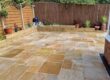
Natural stone offers more variation, with individual colours, markings and textures. It can suit traditional properties and homeowners who want a more natural-looking finish.
The best option will depend on your budget, property style and maintenance preferences.
How Do You Maintain a Porcelain Patio?
Porcelain is low maintenance, but it is not completely maintenance-free.
Regularly sweep away leaves and loose dirt, clean spillages promptly and wash the paving when needed using water and a suitable patio cleaner. Drainage channels should also be kept clear.
Algae should be removed before it creates a slippery surface. Avoid harsh chemicals or abrasive tools unless they are approved by the paving manufacturer.
Is a Porcelain Patio Worth It?
For homeowners who want a durable, stylish and easy-to-maintain outdoor surface, porcelain paving can be an excellent investment.
Its main advantages are its modern appearance, low water absorption, stain resistance and long-term durability. The main drawbacks are the higher initial cost and the need for careful, professional installation.
When suitable paving is chosen and the ground is properly prepared, a porcelain patio can provide an attractive and practical outdoor space for many years.
Considering a New Porcelain Patio?
Meadow Drives installs porcelain patios and complete outdoor spaces tailored to individual properties and garden designs.
From preparation and drainage to paving, steps and finishing details, careful installation helps create a long-lasting result.
Contact us today to discuss your patio ideas and arrange a free quotation.