
As households grow and the number of vehicles increases, an existing driveway can quickly begin to feel too small. Parking partly on the pavement, moving cars around each morning or struggling to open vehicle doors are all signs that additional space may be needed.
In many cases, an existing driveway can be widened. However, the work involved depends on the available space, the current driveway construction, drainage requirements and whether any walls, lawns, paths or planting areas need to be removed.
Why Widen Your Driveway?
One of the most common reasons for widening a driveway is to create space for a second vehicle. Extra parking can make daily life more convenient, particularly for households with several drivers or regular visitors.
A wider driveway may also:
- Make it easier to enter and leave the property
- Provide more room for opening doors safely
- Reduce the need to park on the road
- Improve access for larger vehicles
- Create a clearer route to the front door
- Make the front of the property more practical
A carefully designed extension can also improve the overall appearance of the property.
Is There Enough Space?
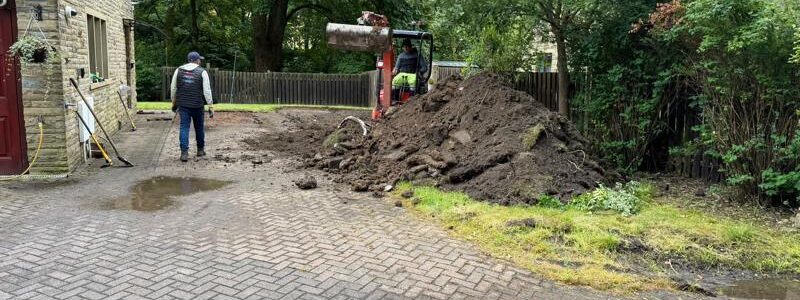
Before work begins, the available area needs to be assessed. Many driveway extensions involve using part of an existing lawn, flower bed, pathway or front garden.
It is important to consider more than simply whether another car will physically fit. A practical driveway should also provide enough space for people to walk around vehicles, access the house and move bins without difficulty.
The position of gates, walls, utility covers, trees and boundaries may also affect the design.
Can the New Driveway Match the Existing Surface?
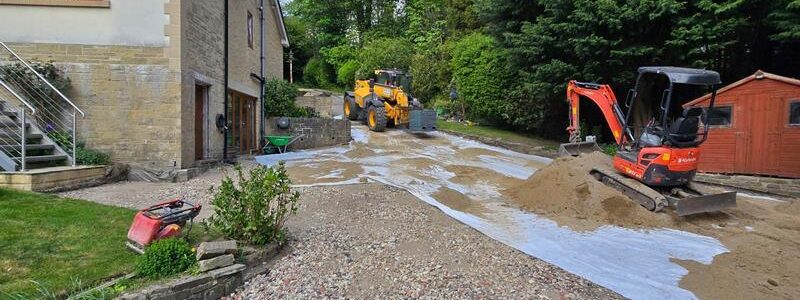
Matching an existing driveway is often possible, but the result depends on the material and the age of the original installation.
Block paving can sometimes be extended using the same or a similar block. However, older paving will usually have weathered, meaning newly installed blocks may initially look brighter.
Where an exact match is unavailable, a contrasting border or deliberately different section can create a more attractive finish than attempting an imperfect match.
Resin, tarmac and gravel driveways may also be extended, although preparation and jointing must be handled correctly to create a durable result.
In some situations, replacing the entire surface may provide a more consistent appearance. This is more likely when the existing driveway is already worn, uneven or approaching the end of its useful life.
What Happens to the Existing Garden Area?
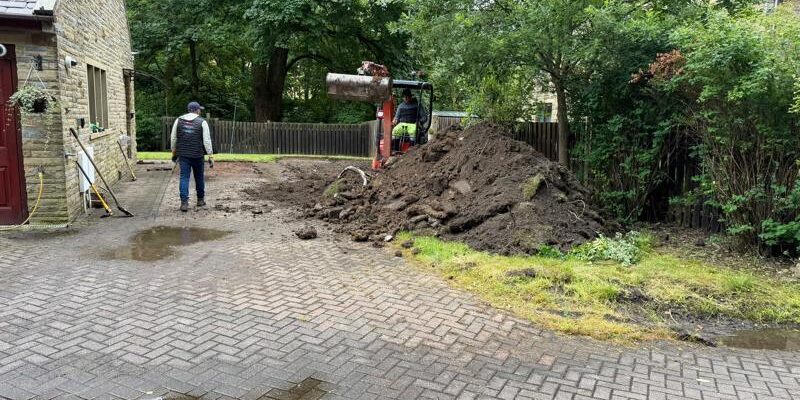
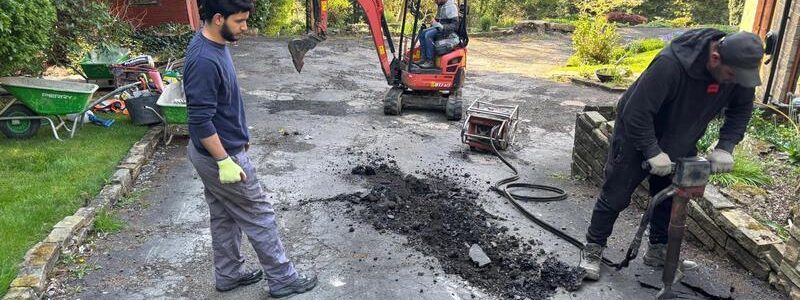
The area being converted into driveway space must be properly excavated and prepared. It is not enough to remove grass or soil and lay paving directly on top.
A suitable sub-base is needed to support the weight of vehicles and reduce the risk of sinking or movement. The depth and construction will depend on the chosen surface and ground conditions.
Any existing plants, borders or garden features may need to be removed or redesigned. It is often possible to retain some planting around the driveway to soften the appearance of the additional parking area.
Drainage Must Be Considered
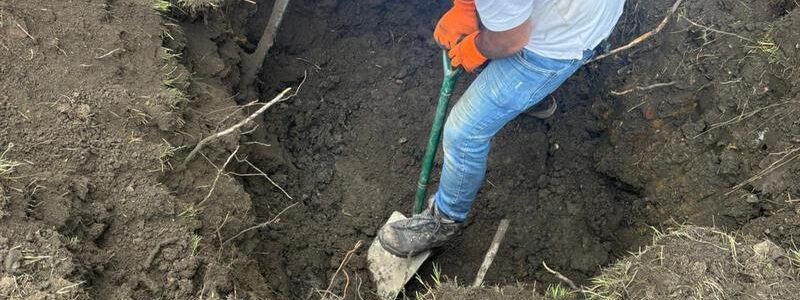
Widening a driveway increases the amount of hard surface at the front of the property. Water must therefore be directed and managed correctly.
Depending on the design, this may involve:
- Using a permeable driveway surface
- Installing drainage channels
- Directing water towards a suitable soakaway
- Creating the correct falls and levels
- Retaining areas where water can drain naturally
Poor drainage can lead to puddles, surface damage and water running towards the house or public pavement.
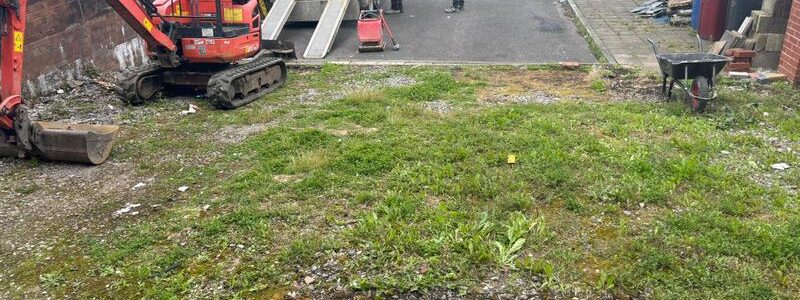
Will the Kerb Need to Be Changed?
A wider driveway may require a wider access point from the road. Where a public pavement or kerb is involved, permission may be required from the local authority.
A dropped kerb should only be installed or altered through the appropriate process. Property owners should check the requirements before assuming the full width of a new driveway can be accessed directly from the road.
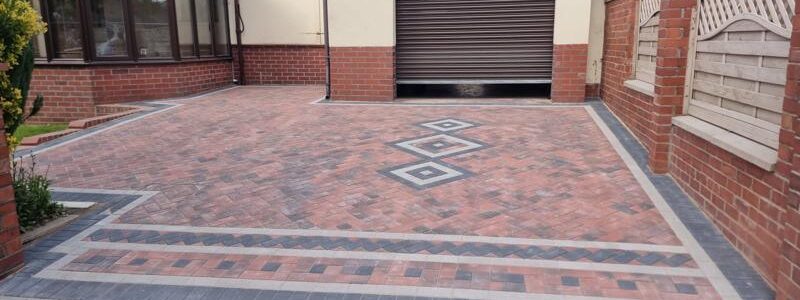
Should You Extend or Replace the Driveway?
Extending the existing driveway is often the most cost-effective option when the current surface is in good condition.
Full replacement may be more appropriate where:
- The existing driveway has widespread sinking
- The surface is badly cracked or damaged
- Drainage is inadequate
- The current layout is awkward
- Matching materials are unavailable
- A completely different driveway style is preferred
A professional site assessment can help determine which option is likely to provide the best long-term value.
Planning a Driveway Extension
A successful driveway extension should look like part of the original property rather than an afterthought. Borders, pathways, walls, steps and planting can all be incorporated into the design.
At Meadow Drives, we install driveways and landscaping features across Lancashire. We can assess your existing driveway, discuss how much additional parking space you need and recommend a suitable design and surface.
Contact Meadow Drives to arrange a quotation for widening or replacing your driveway.