
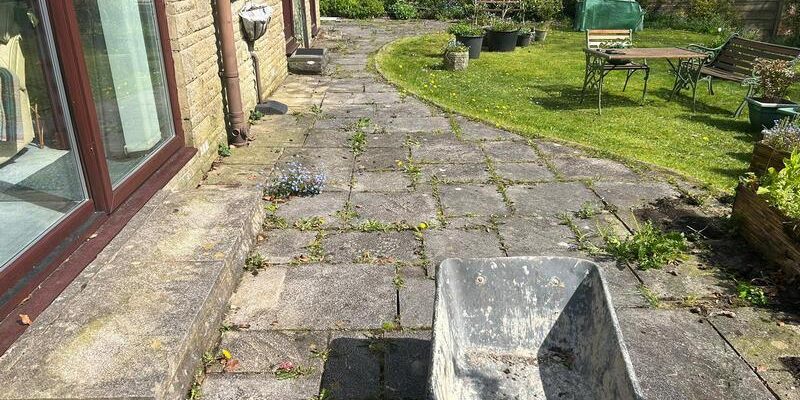
Weeds growing between block paving can make an otherwise attractive driveway or patio look untidy. They may appear along the edges, between individual blocks or across large areas of the surface.
Although it can seem as though the weeds are growing up from beneath the driveway, this is not always the case. Understanding where they come from can help you treat the problem effectively and reduce the chance of it returning.
Do Weeds Grow Through Block Paving?
Properly installed block paving normally includes a compacted sub-base and bedding layer beneath the blocks. These layers make it difficult for established weeds to grow directly from the soil below.
In many cases, weeds begin when seeds land in the joints between the paving blocks. Dust, soil, leaves and other organic material collect in these gaps, creating suitable conditions for seeds to germinate.
Seeds may be carried by:
- Wind
- Birds
- Footwear
- Vehicle tyres
- Garden waste
- Nearby lawns and planting areas
This means weeds can develop even when the paving was installed correctly.
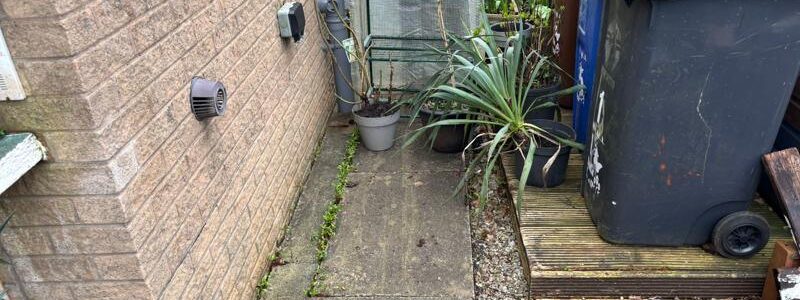
Why Do Weeds Keep Coming Back?
Removing the visible part of a weed does not always remove its root. If the root remains in the paving joint, the weed may regrow.
Weeds are also more likely to return when joints contain a build-up of soil and debris. Damp, shaded areas can be particularly affected because moisture remains in the joints for longer.
Regular sweeping can make a significant difference by removing material before it creates a growing environment.
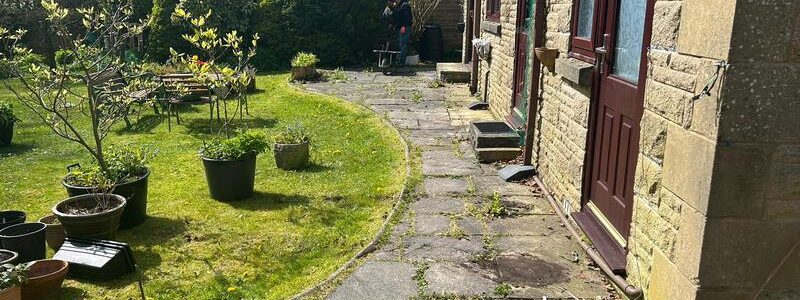
Does Weed Growth Mean the Driveway Was Installed Badly?
A small amount of weed growth does not necessarily indicate poor installation. Airborne seeds can establish themselves on almost any outdoor paved surface.
However, widespread weeds, movement between blocks or large gaps may indicate that the jointing sand has been lost or the paving has not been maintained.
Where blocks are loose, uneven or separating, the underlying installation may need to be inspected.
How Should Weeds Be Removed?
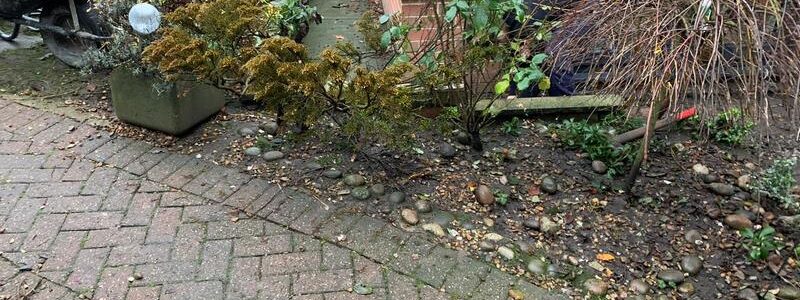
Small weeds can often be removed by hand. Try to remove the complete root rather than breaking off the leaves at surface level.
A paving weed-removal tool can help reach into narrow joints. After removal, the surface should be swept thoroughly to clear loose soil, roots and organic material.
Suitable weed treatments may also be used, provided the manufacturer’s instructions are followed carefully. Consider nearby lawns, plants, pets and drainage before applying any chemical product.
Boiling water is sometimes suggested as a weed treatment, but repeated use may affect surrounding plants and does not prevent new seeds from arriving.
Can You Pressure Wash Block Paving?
Pressure washing can remove dirt, moss and some shallow weed growth. However, excessive pressure can also remove the jointing sand between the blocks.
If too much sand is lost, the blocks may become less stable and weeds can establish themselves more easily in the empty joints.
After suitable cleaning, the paving may need to be allowed to dry before fresh kiln-dried jointing sand is brushed into the gaps.
The pressure washer should be used carefully and should not be directed too closely at the joints.
Why Is Jointing Sand Important?
Jointing sand helps lock the individual paving blocks together. It supports the surface and limits the space available for weeds and debris.
Over time, sand may be lost through weather, cleaning, vehicle movement and general wear. Replacing it can improve the appearance and stability of the paving.
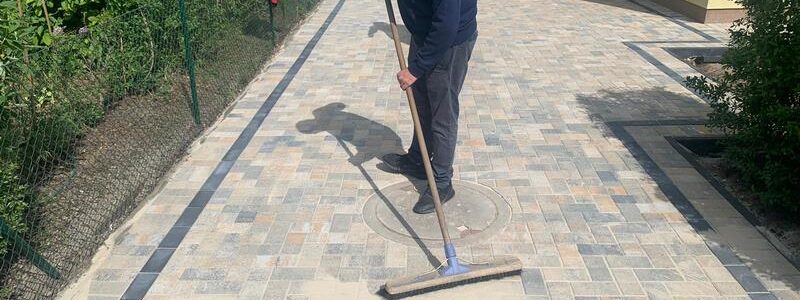
Before adding new sand, the joints should be clean and dry. Brushing sand over wet paving can cause it to clump rather than settle properly into the gaps.
Will Sealing Stop Weeds?
A suitable block paving sealer may help stabilise the jointing sand and make the surface easier to maintain. It can reduce the conditions in which weeds become established, but it cannot guarantee that weeds will never appear.
The paving must be clean, dry and in suitable condition before sealing. Applying sealer over dirt, moisture or existing weeds can lead to a poor finish.
Not every driveway needs to be sealed, so professional advice may be helpful before proceeding.
How Can You Prevent Weeds Between Block Paving?
Routine maintenance is the best way to keep weed growth under control.
Useful steps include:
- Sweep the paving regularly
- Remove leaves and soil from the surface
- Pull weeds before they produce seeds
- Keep the joints filled with suitable sand
- Address loose or moving blocks
- Avoid washing jointing material away
- Trim nearby lawns and borders
It is easier to manage a few small weeds than to restore a driveway after growth has spread across the entire surface.
How Can You Prevent Weeds Between Block Paving?
Routine maintenance is the best way to keep weed growth under control.
Useful steps include:
- Sweep the paving regularly
- Remove leaves and soil from the surface
- Pull weeds before they produce seeds
- Keep the joints filled with suitable sand
- Address loose or moving blocks
- Avoid washing jointing material away
- Trim nearby lawns and borders
It is easier to manage a few small weeds than to restore a driveway after growth has spread across the entire surface.
Does Your Block Paving Need Attention?
If your block paving is uneven, loose or losing jointing sand repeatedly, the issue may require more than routine weed removal.
At Meadow Drives, we install and improve block-paved driveways and patios across Lancashire. We can assess the condition of your paving and advise whether cleaning, re-sanding, repairs or replacement may be appropriate.
Contact Meadow Drives to discuss your block paving.