
Tarmac is a popular driveway surface because it is strong, practical and capable of handling regular vehicle traffic. When properly installed on a solid foundation, a tarmac driveway can provide many years of reliable use.
However, like any outdoor surface, tarmac can eventually begin to show signs of wear.
One of the most common problems homeowners notice is cracking.
A small crack may not seem particularly serious, but understanding why it has appeared can help prevent further deterioration and more expensive repairs later.
So, why does tarmac crack, and when should you be concerned?
Age and General Wear
All driveway surfaces experience wear over time.
Vehicles repeatedly travelling over the same sections of a driveway place pressure on the surface and the layers underneath it.
At the same time, the driveway is constantly exposed to rain, frost, sunlight and changing temperatures.
As tarmac ages, it can gradually become less flexible. Small cracks may then begin to appear, particularly in areas receiving the most vehicle traffic.
A few small cracks on an older driveway do not necessarily mean the entire surface needs replacing, but they should still be monitored.
Poor Ground Preparation
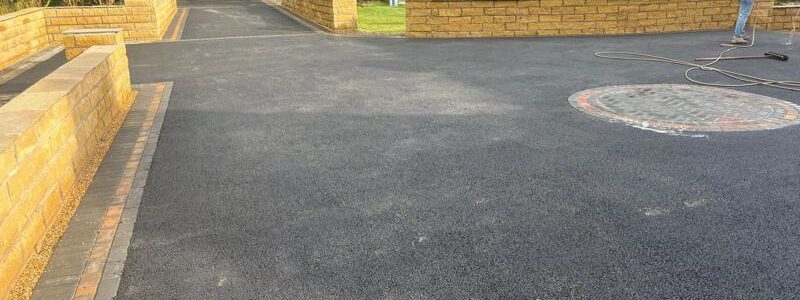
A durable tarmac driveway depends heavily on what is underneath the visible surface.
Before tarmac is laid, the area needs to be excavated correctly and provided with a strong, well-compacted sub-base.
If the foundation beneath the driveway is too shallow, poorly compacted or made from unsuitable material, movement can occur.
The tarmac above may then begin to:
- Crack
- Sink
- Develop dips
- Become uneven
- Hold standing water
This is why good groundwork is such an important part of any driveway installation.
Simply laying a high-quality surface over a weak foundation will not solve problems underneath it.
Water Getting Beneath the Driveway
Water is one of the biggest factors affecting outdoor surfaces.
Small cracks can allow rainwater to penetrate beneath the tarmac. Once underneath, the water may gradually weaken the base supporting the driveway.
This can create additional movement, causing existing cracks to become wider or encouraging new ones to appear.
Drainage is therefore just as important as the driveway surface itself.
A professionally installed driveway should be designed with suitable levels, falls and drainage so that rainwater can move away effectively instead of collecting in vulnerable areas.
Freezing and Thawing
Cold weather can make existing cracks worse.
If water enters a small opening in the surface and temperatures fall below freezing, that water can freeze and expand.
As temperatures rise again, it thaws.
Repeated freezing and thawing can gradually place additional pressure on cracks and weak areas within a driveway.
This is one reason why a small defect noticed before winter may look considerably worse by spring.
Repairing minor damage early can help reduce the amount of water reaching the layers beneath the driveway.
Heavy Vehicles
Driveways need to be constructed with the expected level of traffic in mind.
A driveway designed primarily for cars may experience additional stress if it is regularly used by heavier commercial vehicles, large vans, motorhomes or construction vehicles.
Heavy loads can place greater pressure on both the tarmac and the sub-base.
If the foundation is not suitable for that level of weight, cracks or sunken areas may begin to develop.
You may notice damage appearing most frequently where vehicles regularly stop, turn or park.
Tree Roots and Ground Movement
The ground around a property is not always completely static.
Tree roots can grow beneath or close to a driveway, while changes in the soil can cause parts of the ground to move.
This movement can place pressure on the driveway from underneath.
Possible signs include:
- Long cracks across the surface
- Raised sections
- Uneven areas
- Localised sinking
- Damage close to trees or established planting
Treating the crack alone may not provide a permanent solution if movement beneath the driveway is continuing.
The underlying cause needs to be identified first.
Can Small Tarmac Cracks Be Repaired?
In many cases, yes.
If the damage is limited to a relatively small area and the foundation remains stable, repairing the affected section may be possible.
The appropriate repair will depend on:
- The width and depth of the crack
- How much of the driveway is affected
- Whether the crack is continuing to move
- The condition of the sub-base
- The age of the driveway
- Whether drainage problems are present
The important point is to determine why the crack developed rather than simply covering it.
If an underlying drainage or foundation problem remains unresolved, the crack may eventually return.
When Is Cracking More Serious?
One or two small cracks are very different from widespread surface failure.
It may be time to have the driveway professionally assessed if you notice:
- Numerous cracks across the surface
- Cracks that continue to widen
- Sections of tarmac sinking
- Broken or crumbling edges
- Large potholes developing
- Water regularly collecting in damaged areas
- Previous repairs repeatedly failing
- Significant movement beneath the driveway
Widespread damage can sometimes indicate that the problem lies within the foundation rather than just the surface.
In these circumstances, continually repairing individual cracks may only provide a temporary solution.
Tarmac Driveway Repairs and Installations in Lancashire
If your tarmac driveway has started to crack, sink or deteriorate, Meadow Drives can assess the condition of the surface and help identify the cause.
We provide professional driveway installations and improvements throughout Burnley, Blackburn, Accrington, Nelson, Colne, Rossendale, Bury and surrounding areas.
Whether your existing driveway needs attention or you are considering a completely new tarmac driveway, our experienced team can recommend a solution suited to your property and requirements.
Contact Meadow Drives today to discuss your driveway and arrange a free, no-obligation quotation.